VERIMEDIA
The Second International Workshop on Media Verification and Integrity
In conjunction with CIKM 2026 · November 8, 2026 · Rome, Italy
VERIMEDIA - CIKM 2026 Workshop
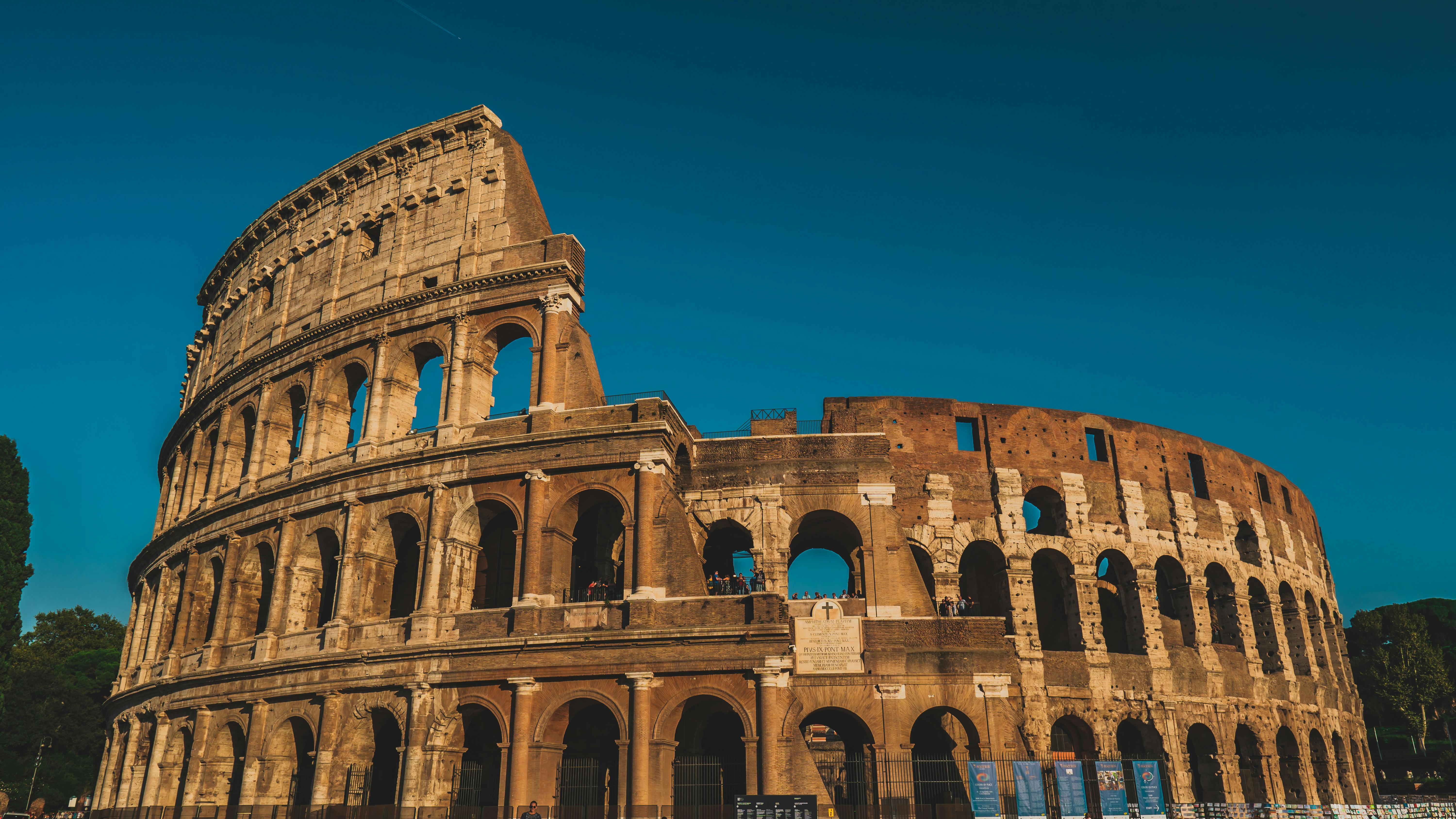
The workshop will take place on November 8th, 2026 - San Pietro in Vincoli Campus, Sapienza University of Rome, Faculty of Engineering, Via Eudossiana 18, 00184 Rome
The second edition of VERIMEDIA, held in conjunction with the CIKM 2026 conference, is concerned with assessing the integrity and authenticity of digital media, text, and audio, under the conditions in which such assessment is actually performed. The rapid growth of generative multimodal processing and dissemination technologies has enabled the creation of an unprecedented amount of realistic synthetic media. As a result, methods for assessing the integrity and authenticity of digital media play a crucial role across scientific, industrial, and societal contexts. The workshop highlights research advancements in multimedia forensics, deepfake detection, adversarial machine learning, and AI-generated media attribution, with particular focus on the deployment of autonomous AI agents for media verification and on lifelong media authentication. It gathers interdisciplinary contributions that advance the foundations and practice of robust and trustworthy multimedia forensics across different modalities, such as images, text, and audio.
Call for Papers
The rapid growth of generative multimodal processing and dissemination technologies has enabled the creation of an unprecedented amount of realistic
synthetic media. Research on synthetic media detection has produced methods that perform well on controlled benchmarks, but whose behavior degrades once they are applied to
data that has undergone social-media re-encoding, originates from heterogeneous or previously unseen sources, or is subject to deliberate adversarial manipulation.
Therefore, this workshop concentrates on the properties that decide whether a forensic method is usable in deployment rather than only in evaluation: robustness to
distribution shift and real-world degradation, generalization to out-of-distribution data, resistance to adversarial perturbations, computational efficiency under resource
constraints, interpretability of decisions, and consistency across modalities and sources. Particular focus will be on the deployment of autonomous AI agents for media
verification, as well as lifelong media authentication, a forward-looking perspective on AI's role in safeguarding media integrity.
This workshop is aimed at researchers from various fields, including computational intelligence (e.g., deep learning, machine learning), artificial intelligence (e.g., natural
language processing, knowledge modeling, computer vision), social network analysis, and signal processing who are interested in applying their methods and techniques to the
challenges of detecting and countering misinformation. Additionally, professionals, practitioners, and stakeholders active in fields like journalism, communication,
fact-checking, and law enforcement will also find the discussions and outcomes of this workshop highly relevant.
We invite submissions on topics including, but not limited to:
- Multimedia Forensics: Detection and attribution of manipulated content across various media types (images, video, text, and audio).
- Deepfake Detection: Innovations in identifying AI-generated content.
- Adversarial Machine Learning: Challenges and solutions in combating adversarial threats.
- AI-Generated Media Attribution: Techniques for tracing and authenticating content origin.
- Autonomous AI Agents for Media Verification: Agent-based approaches to content authentication and fact-checking.
- Lifelong Media Authentication: Long-term strategies for maintaining media integrity.
- Robustness and Generalization: Detection under distribution shift, social-media re-encoding, real-world degradation, and out-of-distribution data.
- Evaluation Protocols and Benchmarks: Methodologies that reflect real deployment conditions.
- Explainability and Trustworthiness: Interpretable and reliable forensic decisions at scale.
- Applications in Disinformation Detection: Case studies in forensics, fake news debunking, infodemic control, and politics.
Program
November 8th, 2026 · Half-day (morning) workshop · San Pietro in Vincoli Campus, Sapienza University of Rome, Via Eudossiana 18, 00184 Rome
Tentative agenda — the detailed schedule will be published after the paper acceptance notification. Each paper session will be followed by a moderated discussion with the authors.
Speaker to be announced
Important dates
Key deadlines and milestones for submission and participation
| Paper Submission Deadline | |
| Decision to Authors | |
| Camera-ready Paper Submission Deadline | October 1, 2026 |
| Workshop Date | November 8, 2026 |
Registration
To attend this workshop, participants must register through the official CIKM 2026 conference registration system. Please follow the instructions provided on the CIKM 2026 website to complete your registration. Note that access to the workshop is only available to properly registered attendees. CIKM follows a fully in-person policy: hybrid presentation or attendance options cannot be accommodated for presenters or participants. Authors of accepted papers are encouraged to take advantage of the Early-Bird Registration fees.
Register for WorkshopKeynotes
Distinguished speakers sharing cutting-edge research in media verification and integrity
The keynote speaker will be announced soon — stay tuned!
Submission
The VERIMEDIA workshop 2026 is organized as part of the workshops track of the ACM International Conference on Information and Knowledge Management (CIKM 2026). We kindly remind authors that at least one representative for each accepted submission must register and be present at the workshop to deliver the presentation. The Microsoft CMT service was used for managing the peer-reviewing process for this conference. This service was provided for free by Microsoft and they bore all expenses, including costs for Azure cloud services as well as for software development and support.
Microsoft CMT Submission linkCommitee
Meet the experts driving the VERIMEDIA workshop
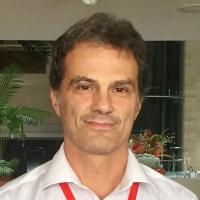
Mauro Barni
General ChairUniversity of Siena, Italy

Irene Amerini
General ChairSapienza University of Rome, Italy
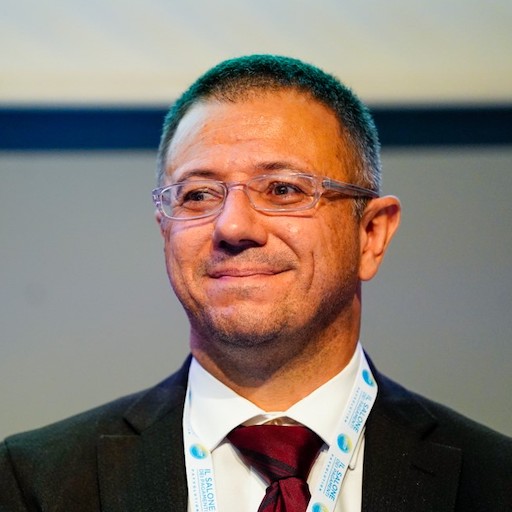
Gian Luca Marcialis
Technical Program ChairUniversity of Cagliari, Italy
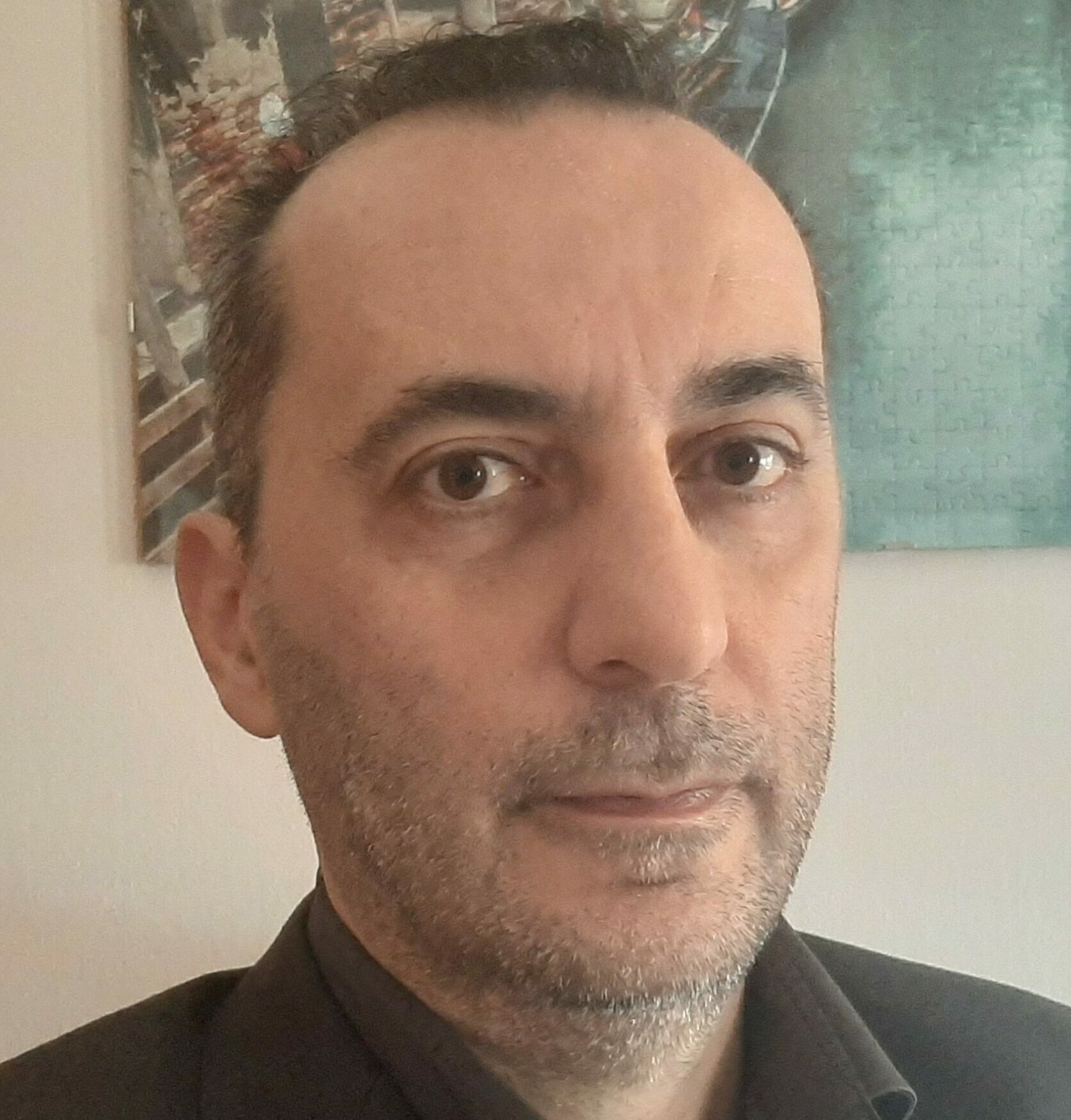
Roberto Caldelli
Technical Program ChairCNIT and Universitas Mercatorum, Italy
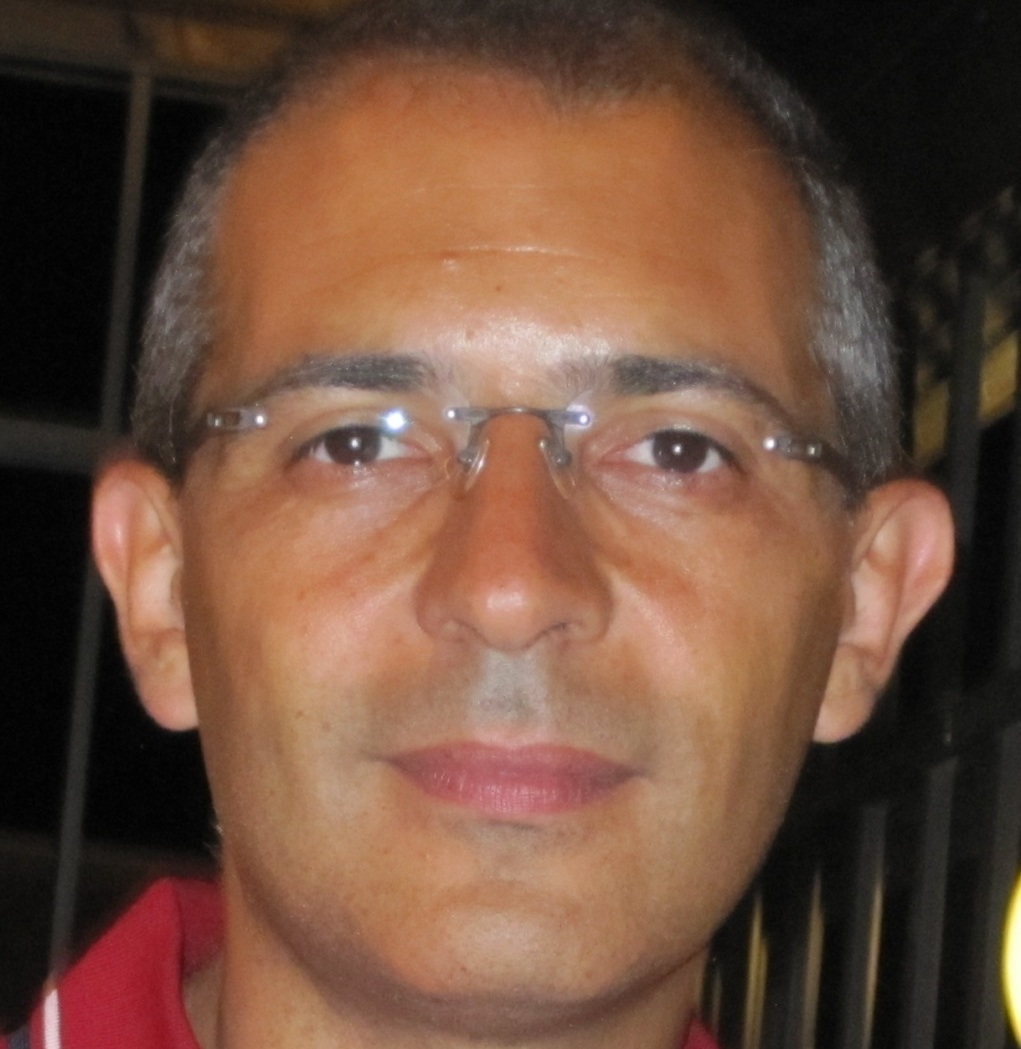
Sebastiano Battiato
Technical Program ChairUniversity of Catania, Italy
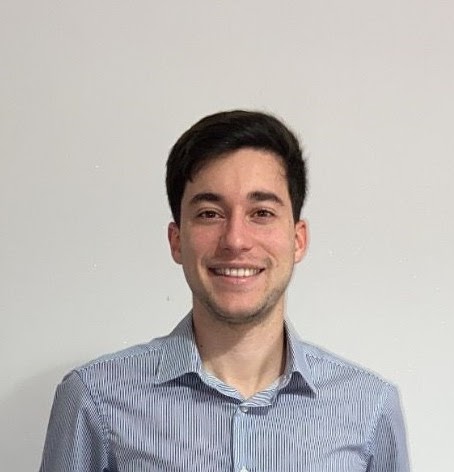
Lorenzo Cirillo
Technical Program ChairSapienza University of Rome, Italy
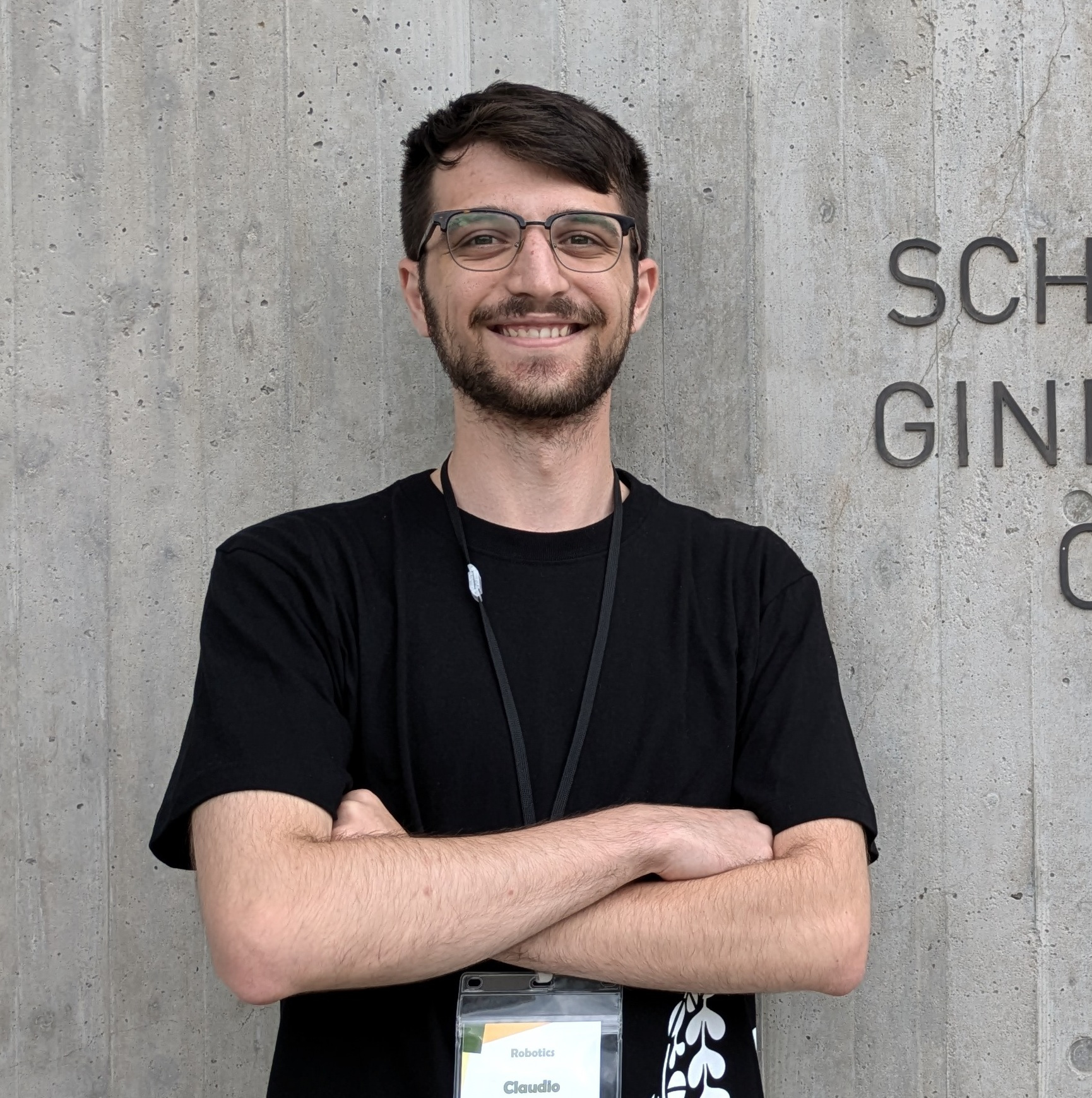
Claudio Schiavella
Keynote ChairSapienza University of Rome, Italy
Simone Teglia
Keynote ChairSapienza University of Rome, Italy
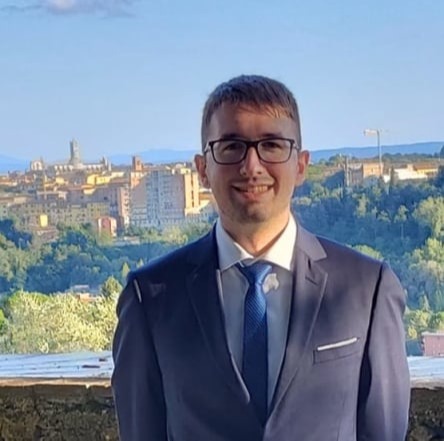
Pietro Bongini
Publication ChairUniversity of Siena, Italy

Andrea Ciamarra
Publicity ChairCNIT, Italy
Contact
Get in touch with us for any questions or assistance
Email Us
Mauro Barni, University of Siena - mauro.barni@unisi.it
Irene Amerini, Sapienza University of Rome - amerini@diag.uniroma1.it