VERIMEDIA
The Second International Workshop on Media Verification and Integrity
In conjunction with CIKM 2026 · November 8, 2026 · Rome, Italy 09:00 - 13:00 · Aula 17
VERIMEDIA - CIKM 2026 Workshop
The workshop will take place on November 8th, 2026 - San Pietro in Vincoli Campus, Sapienza University of Rome, Faculty of Engineering, Via Eudossiana 18, 00184 Rome, in Room 17, from 9:00 A.M. to 1:00 P.M..
The second edition of VERIMEDIA, held in conjunction with the CIKM 2026 conference, is concerned with assessing the integrity and authenticity of digital media, text, and audio, under the conditions in which such assessment is actually performed. The rapid growth of generative multimodal processing and dissemination technologies has enabled the creation of an unprecedented amount of realistic synthetic media. As a result, methods for assessing the integrity and authenticity of digital media play a crucial role across scientific, industrial, and societal contexts. The workshop highlights research advancements in multimedia forensics, deepfake detection, adversarial machine learning, and AI-generated media attribution, with particular focus on the deployment of autonomous AI agents for media verification and on lifelong media authentication. It gathers interdisciplinary contributions that advance the foundations and practice of robust and trustworthy multimedia forensics across different modalities, such as images, text, and audio.


Call for Papers
The rapid growth of generative multimodal processing and dissemination technologies has enabled the creation of an unprecedented amount of realistic
synthetic media. Research on synthetic media detection has produced methods that perform well on controlled benchmarks, but whose behavior degrades once they are applied to
data that has undergone social-media re-encoding, originates from heterogeneous or previously unseen sources, or is subject to deliberate adversarial manipulation.
Therefore, this workshop concentrates on the properties that decide whether a forensic method is usable in deployment rather than only in evaluation: robustness to
distribution shift and real-world degradation, generalization to out-of-distribution data, resistance to adversarial perturbations, computational efficiency under resource
constraints, interpretability of decisions, and consistency across modalities and sources. Particular focus will be on the deployment of autonomous AI agents for media
verification, as well as lifelong media authentication, a forward-looking perspective on AI's role in safeguarding media integrity.
This workshop is aimed at researchers from various fields, including computational intelligence (e.g., deep learning, machine learning), artificial intelligence (e.g., natural
language processing, knowledge modeling, computer vision), social network analysis, and signal processing who are interested in applying their methods and techniques to the
challenges of detecting and countering misinformation. Additionally, professionals, practitioners, and stakeholders active in fields like journalism, communication,
fact-checking, and law enforcement will also find the discussions and outcomes of this workshop highly relevant.
We invite submissions on topics including, but not limited to:
- Multimedia Forensics: Detection and attribution of manipulated content across various media types (images, video, text, and audio).
- Deepfake Detection: Innovations in identifying AI-generated content.
- Adversarial Machine Learning: Challenges and solutions in combating adversarial threats.
- AI-Generated Media Attribution: Techniques for tracing and authenticating content origin.
- Autonomous AI Agents for Media Verification: Agent-based approaches to content authentication and fact-checking.
- Lifelong Media Authentication: Long-term strategies for maintaining media integrity.
- Robustness and Generalization: Detection under distribution shift, social-media re-encoding, real-world degradation, and out-of-distribution data.
- Evaluation Protocols and Benchmarks: Methodologies that reflect real deployment conditions.
- Explainability and Trustworthiness: Interpretable and reliable forensic decisions at scale.
- Applications in Disinformation Detection: Case studies in forensics, fake news debunking, infodemic control, and politics.
Program
November 8th, 2026 · Half-day (morning) workshop · San Pietro in Vincoli Campus, Sapienza University of Rome, Via Eudossiana 18, 00184 Rome
Each paper session will be followed by a moderated discussion with the authors. Each paper is allocated 15 minutes for oral presentation
Deep Evidence vs. Fake Evidence. Challenges and Prospects Dealing with an Incomplete Evidentiary Tool
Prof. Valerio Aiuti, Sapienza University of Rome
Chair: Pietro Bongini, University of Siena
- 10:00-10:15 — Tracing Ground Truth in Software-Based News-Outlet Reliability Assessment John Bianchi, Marinella Petrocchi
- 10:15-10:30 — Effects of a Dynamic Label Explanation Mechanism for Generative AI-Generated Video on User Trust Calibration Chih-Yun Yang, Sun-Jen Huang, Wan-Chen Wu, Yun-Chi Yang
- 10:30-10:45 — From Polysemantic Neurons to Interpretable Features: Mechanistic Interpretability for Image Deepfake Detection Jacopo Tamarri, Lorenzo Cirillo, Claudio Schiavella, Simone Teglia, Irene Amerini
Chair: Claudio Schiavella, Sapienza University of Rome
- 11:30-11:45 — Semiotics-Guided Concept Inference with VLMs for Image Manipulation Understanding Marco Blanchini, Mauro Barni
- 11:45-12:00 — Feature-Space Guided Data Augmentation for Morphing Attack Detection Yousra Houacine, Andrea Panzino, Simone Maurizio La Cava, Marco Micheletto, Giulia Orrù, Gian Luca Marcialis
- 12:00-12:15 — Fair Deepfake Detection in Videos Akihito Yoshii, Ryosuke Sonoda, Ramya Srinivasan
- 12:15-12:30 — Robust Unseen-Generator Detection of Semantic Manipulations in CT Imaging Ludovica Pompilio, Francesco Di Feola, Matteo Tortora, Paolo Soda, Valerio Guarrasi
Important dates
Key deadlines and milestones for submission and participation
| Paper Submission Deadline | |
| Decision to Authors | |
| Camera-ready Paper Submission Deadline | October 1, 2026 |
| Workshop Date | November 8, 2026 |
Registration
To attend this workshop, participants must register through the official CIKM 2026 conference registration system. Please follow the instructions provided on the CIKM 2026 website to complete your registration. Note that access to the workshop is only available to properly registered attendees. CIKM follows a fully in-person policy: hybrid presentation or attendance options cannot be accommodated for presenters or participants. Authors of accepted papers are encouraged to take advantage of the Early-Bird Registration fees.
Register for WorkshopKeynotes
Distinguished speakers sharing cutting-edge research in media verification and integrity
Valerio Aiuti
Sapienza University of Rome, Italy
Deep Evidence vs. Fake Evidence. Challenges and Prospects Dealing with an Incomplete Evidentiary Tool
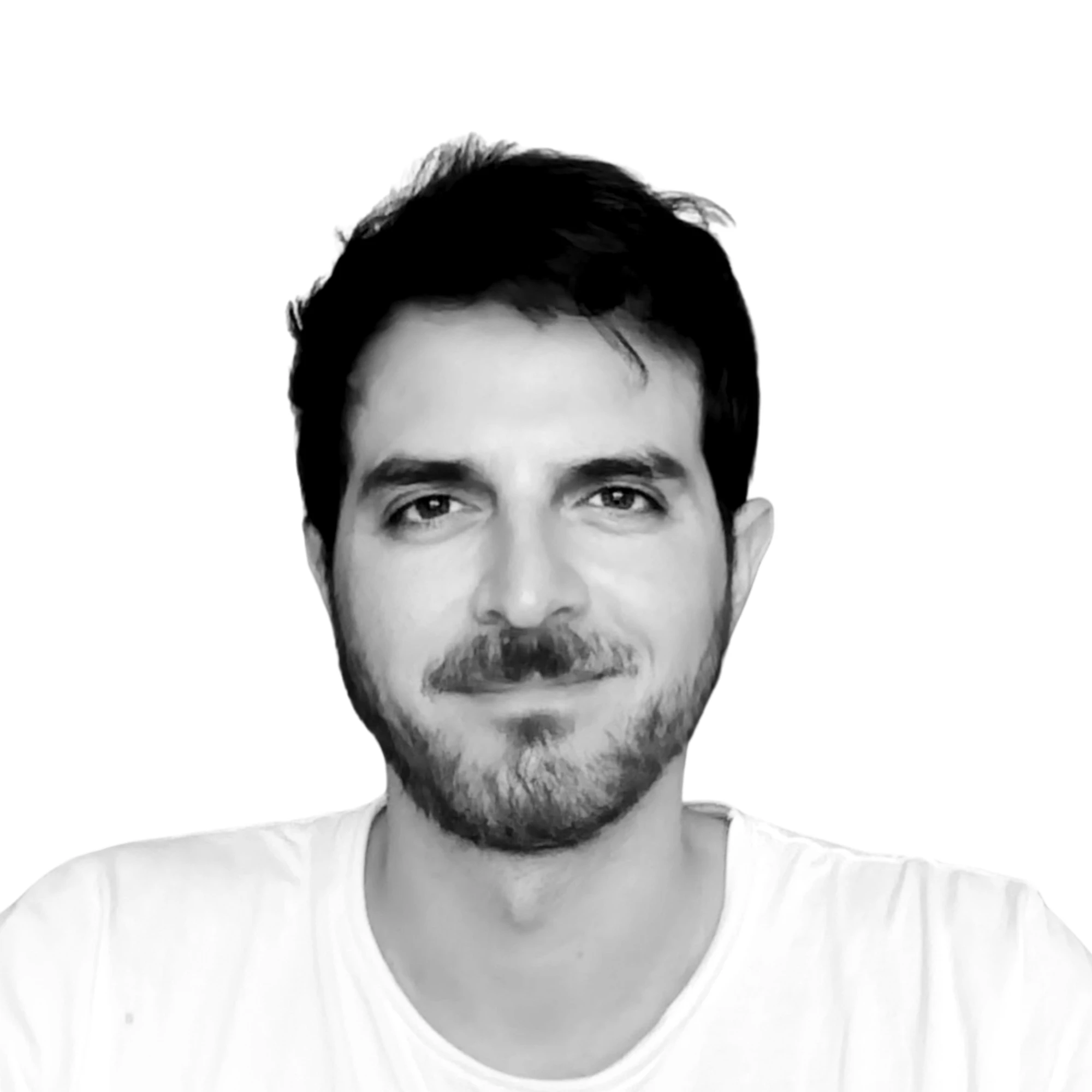
Bio: Valerio Aiuti is a tenure-track Researcher at Sapienza University of Rome. He has taught, among other subjects, European Criminal Procedure, Law of Criminal Evidence, and Prison Law at Sapienza University of Rome and he has participated in several research projects, including PRIN PNRR 2022 | PRIORITY – Shaping the Prosecution Organisational Model of Criminal Reports. He is a founding member and Treasurer of the Italian Association of Evidence Scholars (AISP), as well as co-organiser of the international seminar series Thinking Like a Fact-Finder. He has presented papers at numerous national and international conferences, seminars, and academic events. His research focuses mainly on criminal appeals, evidential reasoning and the assessment of evidence, as well as the general principles of fair trial. His first book is Contributo allo studio dell'appello penale. Tra principio di immediatezza e doppio grado di giurisdizione (Contribution to the Study of Criminal Appeals: Between the Principle of Immediacy and the Right to a Second Instance, Giappichelli, Turin, 2023).
Abstract: In criminal proceedings, multimedia content generated or manipulated through neural networks raises traditional evidentiary issues, while also opening up unprecedented avenues of inquiry. One traditional issue concerns the distinction between “real” images (whatever that may mean) and “fake” ones. From this perspective, deepfake evidence is “fake” evidence, whose apparent authenticity may nevertheless be so deceptive as to require particular safeguards against fabricated representations in the institutional design of procedures for the admission of evidence. Despite the ongoing debate in the literature, criminal and civil proceedings remain wholly unprepared for such a challenge and, in some respects, may even prove resistant to effective reform: making the admission stage more demanding risks undermining defence rights overall, while imposing additional burdens on the assessment of evidence risks leaving the resolution of technical issues to the judge’s intuition. An unprecedented avenue of inquiry, by contrast, concerns what can legitimately be established through a deepfake. From this perspective, deepfake evidence becomes “deep” evidence: a synthetic image may indeed represent a given event “unfaithfully” (whatever that may mean), while providing valuable information about the process that generated it. Traditional legal epistemology, however, is sufficiently well equipped to address this challenge, without abandoning the epistemic aims of criminal proceedings or placing blind faith in forensic technology. In this talk, I will seek to develop these two distinct lines of analysis, offering a more accurate account of the problematic relationships between evidence, inference, and the justification of judicial decisions.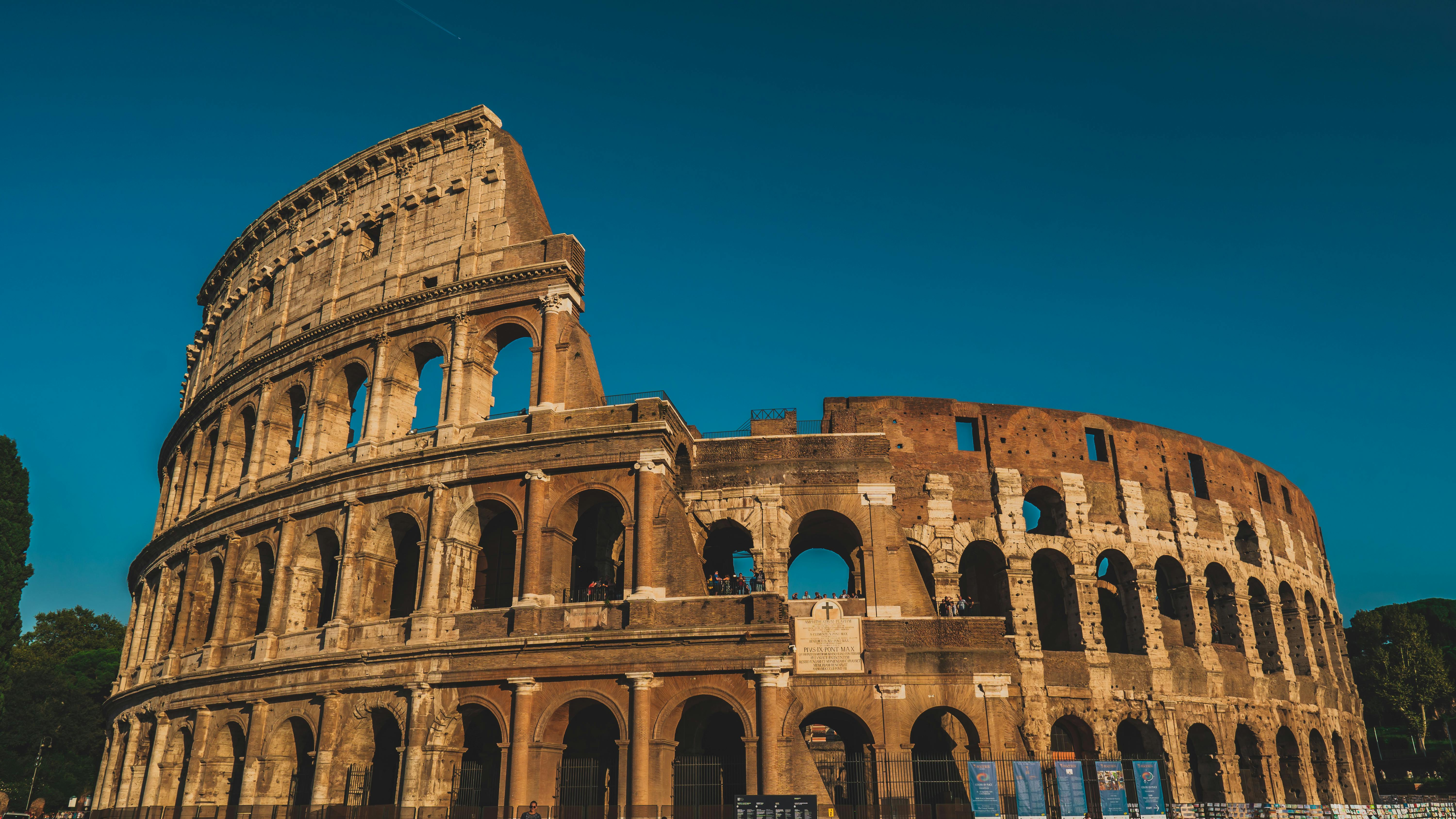
Submission
The VERIMEDIA workshop 2026 is organized as part of the workshops track of the ACM International Conference on Information and Knowledge Management (CIKM 2026). We kindly remind authors that at least one representative for each accepted submission must register and be present at the workshop to deliver the presentation. The Microsoft CMT service was used for managing the peer-reviewing process for this conference. This service was provided for free by Microsoft and they bore all expenses, including costs for Azure cloud services as well as for software development and support.
Committee
Meet the experts driving the VERIMEDIA workshop
Mauro Barni
General ChairUniversity of Siena, Italy

Irene Amerini
General ChairSapienza University of Rome, Italy
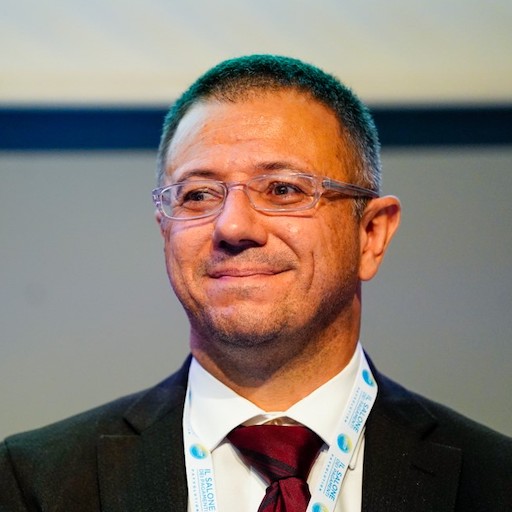
Gian Luca Marcialis
Technical Program ChairUniversity of Cagliari, Italy
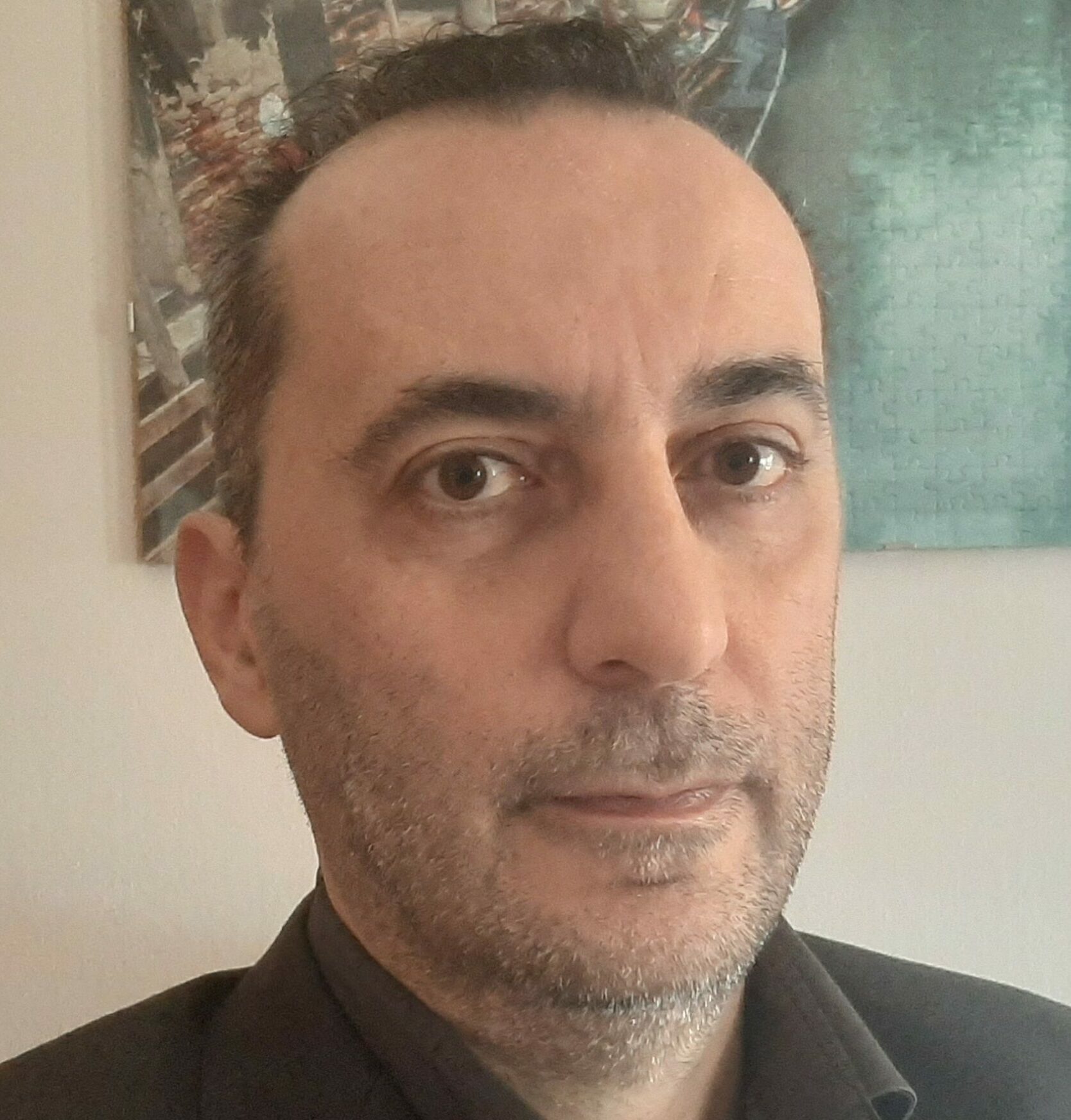
Roberto Caldelli
Technical Program ChairCNIT and Universitas Mercatorum, Italy
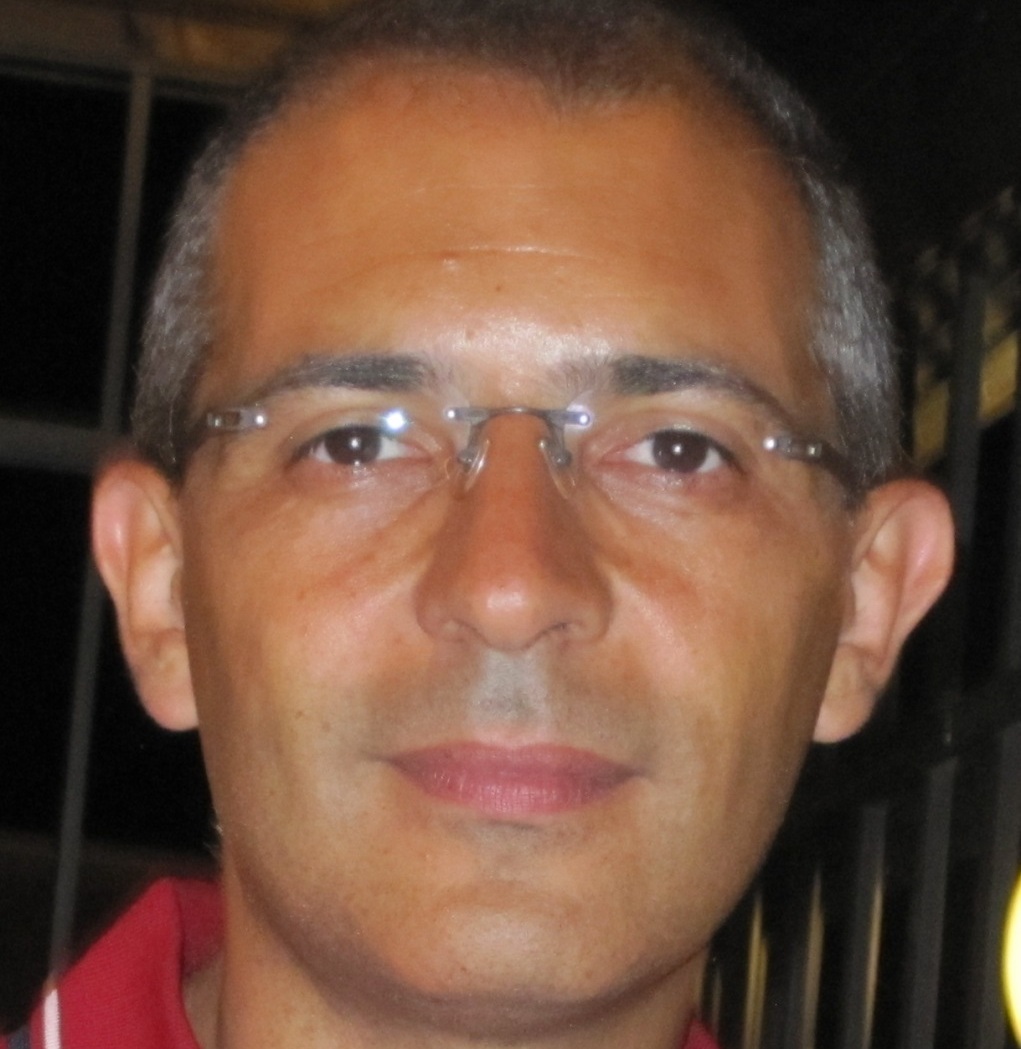
Sebastiano Battiato
Technical Program ChairUniversity of Catania, Italy
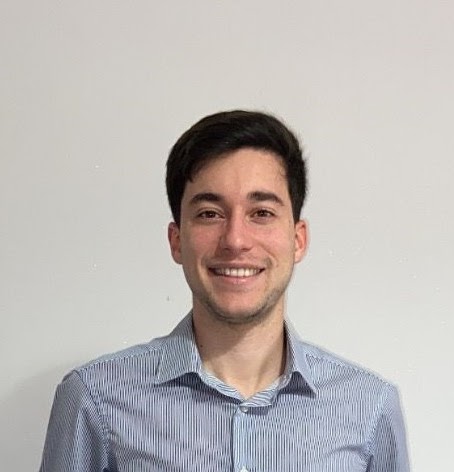
Lorenzo Cirillo
Technical Program ChairSapienza University of Rome, Italy
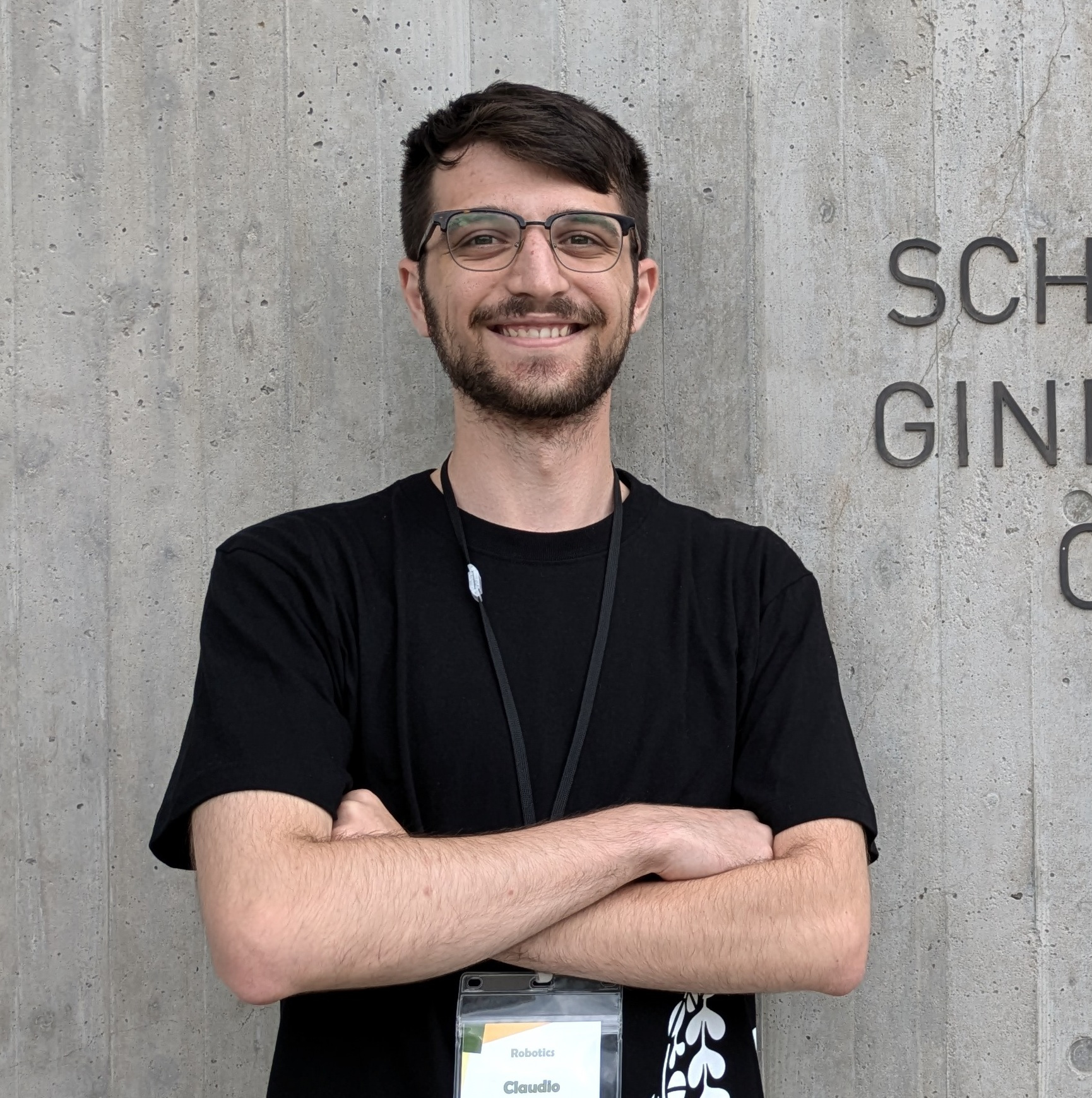
Claudio Schiavella
Keynote ChairSapienza University of Rome, Italy
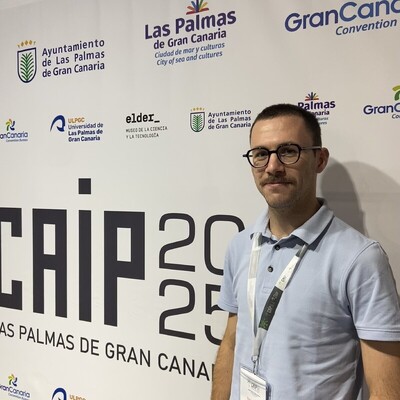
Simone Teglia
Keynote ChairSapienza University of Rome, Italy
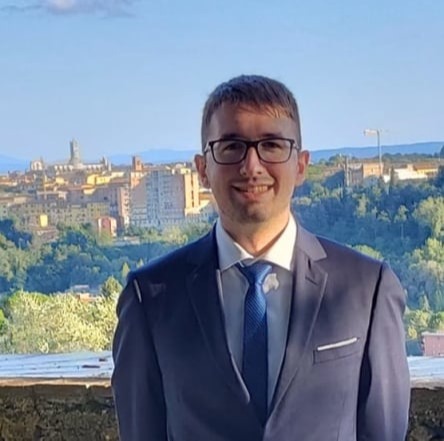
Pietro Bongini
Publication ChairUniversity of Siena, Italy

Andrea Ciamarra
Publicity ChairCNIT, Italy
Contact
Get in touch with us for any questions or assistance
Email Us
Mauro Barni, University of Siena - mauro.barni@unisi.it
Irene Amerini, Sapienza University of Rome - amerini@diag.uniroma1.it